Bitcoin investor handbook

Key insights from the handbook
The handbook presents a balanced analysis of Bitcoin’s foundations, investment case, risks and evolving role within the global financial system.
Bitcoin as a monetary asset
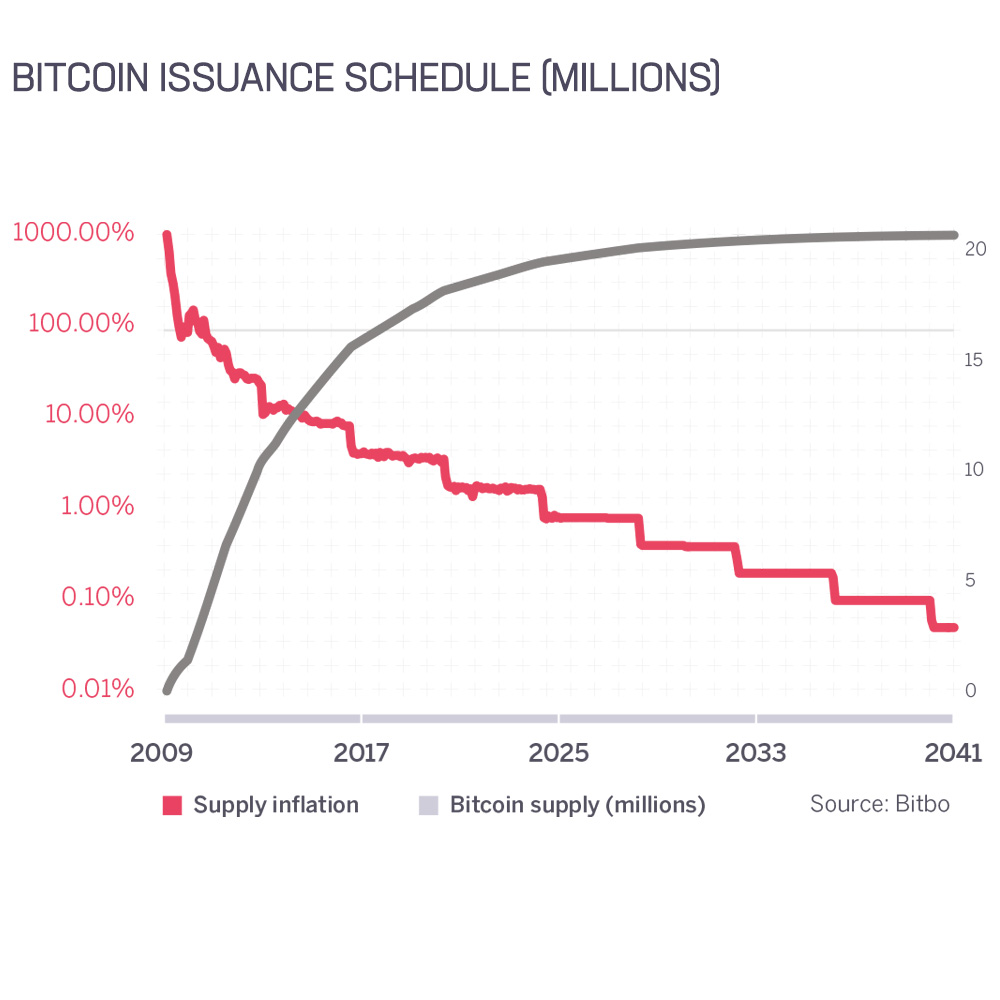
Bitcoin combines enforced scarcity, decentralised governance and bearer ownership. Its fixed supply of 21 million coins and predictable issuance schedule differentiate it from fiat currencies and underpin its store of value narrative.
Opportunities and use cases
Bitcoin’s primary role has been as a store of value, with long-term holders accounting for a large share of supply. Additional use cases are emerging, including settlement, yield generation and Bitcoin-native finance, though many remain experimental.

Risks and challenges
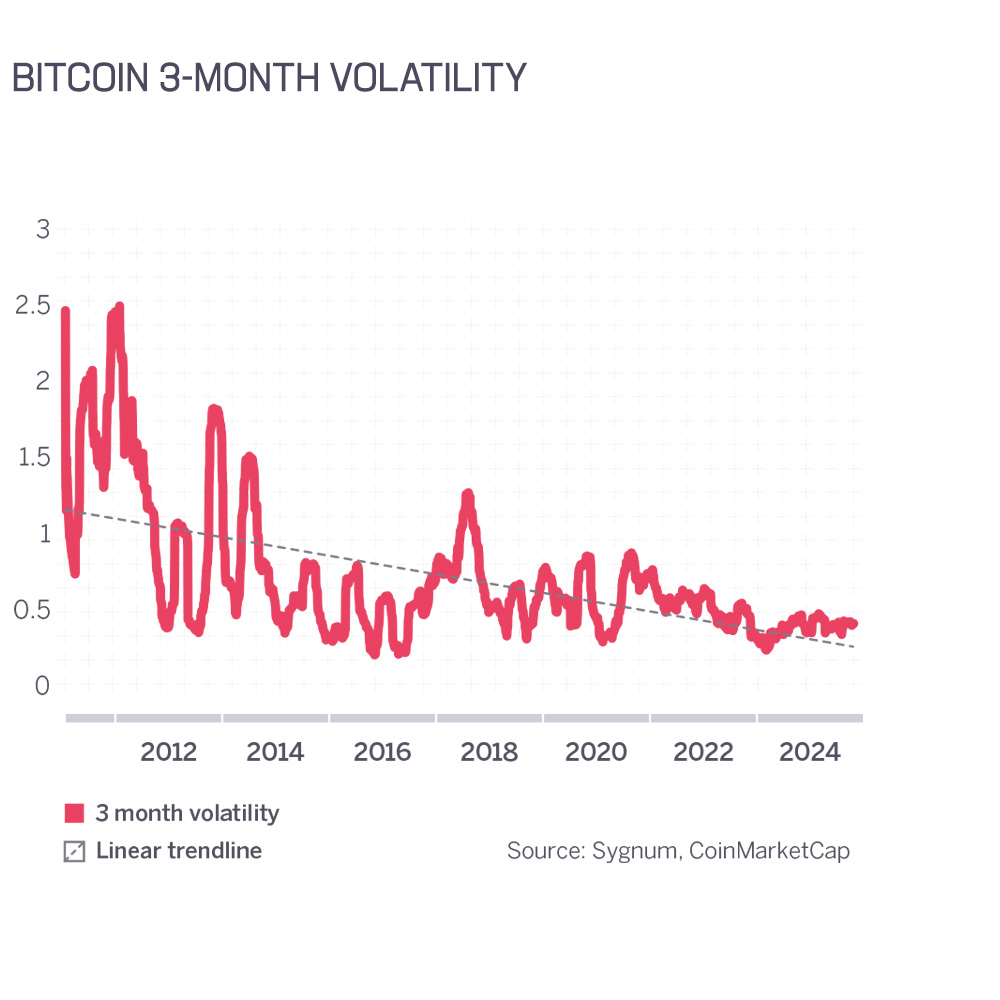
Energy use, volatility, ownership concentration and scalability remain central topics of debate. While these challenges persist, data shows declining volatility, increasing ownership dispersion and ongoing Layer 2 development.
Institutional adoption
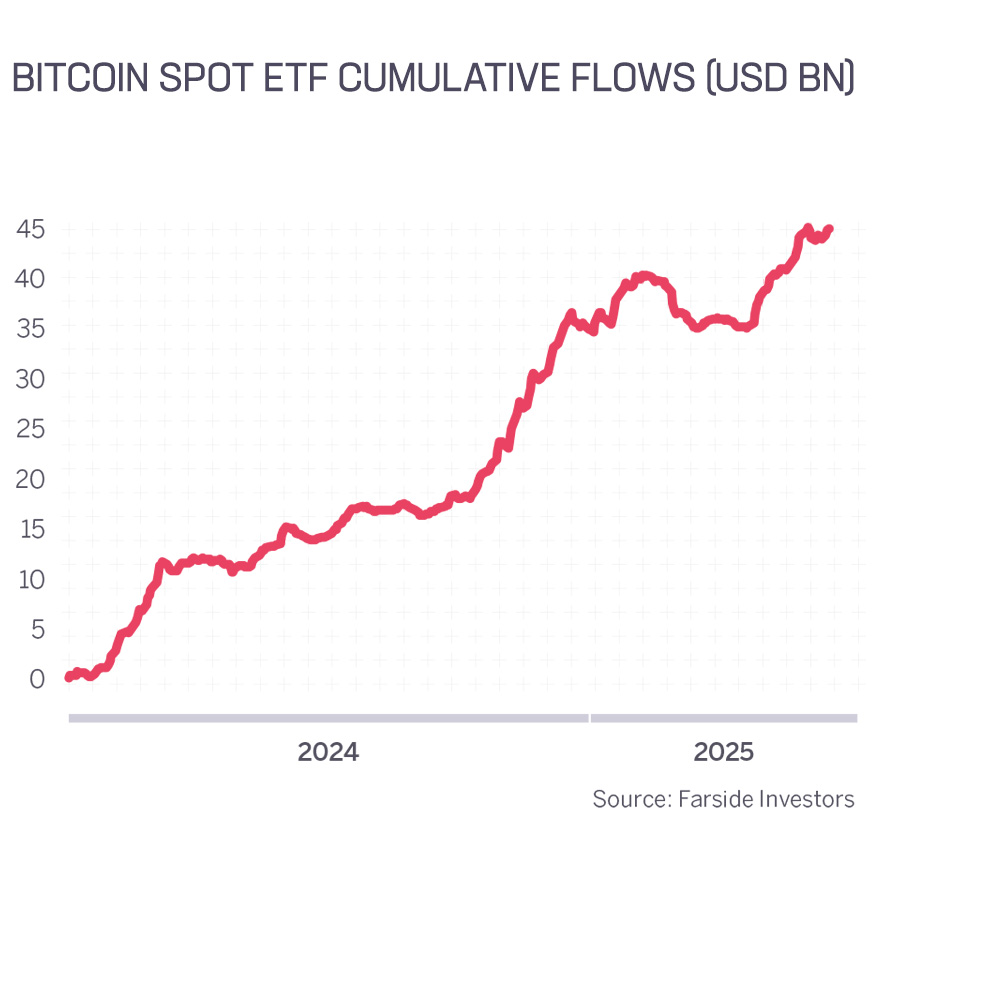
Institutional participation continues to expand through ETFs, corporate treasuries and discussions around strategic reserves. This trend reinforces Bitcoin’s position as the entry point for institutional crypto exposure.
What the findings show
The analysis highlights Bitcoin’s growing maturity as an asset while underscoring the importance of understanding its risks, trade-offs and evolving market dynamics.
Story of value
Bitcoin increasingly competes with traditional safe haven assets.
Adoption trends
Institutional participation is a key driver of market structure.
Technology trade-offs
Security and decentralisation remain prioritised over scalability.
Evolving narratives
Bitcoin’s role continues to expand beyond early use cases.
Bitcoin investor handbook
A comprehensive reference for investors navigating Bitcoin’s fundamentals, risks and long-term outlook.
Contact us